Blog
How to Choose a Company Profile Design Agency (Checklist for B2B Teams)
By Funky Developers • 2026-05-15
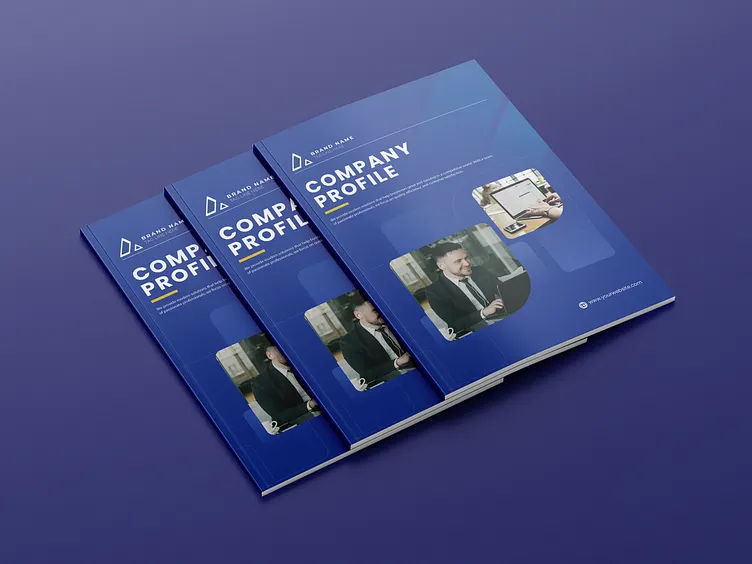
Pick a company profile design agency using portfolio depth, discovery workshops, revision policy, source file handover, and clear confidentiality terms.
Not every studio that posts slick Instagram grids can ship a procurement-safe PDF on deadline. Choosing a company profile design agency is closer to hiring a product team than picking a freelancer with a template pack. You want evidence of complex layouts, copy discipline, and calm project management when legal sends eleventh-hour edits.
Agency portfolio review: what to look past the pretty pictures
During an agency portfolio review, ask which spreads the team actually structured versus which were supplied as finished art. Look for table-heavy pages, multilingual layouts, dense certification walls, and charts with real numbers—not only hero covers. Request a redacted example similar to your sector if confidentiality allows. If everything looks like the same template with swapped logos, keep searching.
Pay attention to typography discipline. Do body sizes stay readable? Do captions carry hierarchy? Do charts share axes styles? Consistency signals process, and process is what saves you at 11 p.m. before upload.
Discovery workshop: signals of maturity
Strong agencies run a discovery workshop or structured interview before they touch layout. They map stakeholders, conflicts between sales and marketing stories, and mandatory tender sections. They ask who owns approvals. They surface missing photography early. If a proposal jumps straight to “send logo and we start,” you are buying decoration, not design thinking.
Workshops should end with a shared outline: page list, word count targets per section, and a risk log (missing metrics, pending certifications). That outline becomes the contract against scope creep.
Revisions, timelines, and who holds the pen
Clarify rounds, batching rules, and response SLAs on both sides. Ask how the agency handles concurrent feedback from five VPs. Ask whether copy changes flow through a single editor on your side. Agencies that value relationships will coach you on how to collect feedback without contradicting itself.
Design source files handover: negotiate before kickoff
If you expect to maintain the document internally, negotiate design source files handover up front. Define packaged InDesign or Affinity files, linked images, fonts with licensing receipts, and a short readme for your team. Some agencies include source files; others sell them as a line item. Either approach is valid if transparent.
NDA and confidentiality for design projects
Profiles leak competitive detail—pricing strategy hints, client lists, pipeline metrics. A serious NDA and confidentiality for design projects protects both parties. Confirm how subcontractors and cloud storage comply with your policies. If you operate in regulated sectors, mention data residency expectations before files move.
Commercial fit: price, risk, and chemistry
Price matters, but so does calm delivery. Ask for references from projects with similar complexity, not only brand-famous logos. Meet the people who will actually lead layout week, not only the new-business director.
Reference calls: questions that surface the truth
Ask past clients how the agency behaved when deadlines slipped because of client-side delays. Ask whether source files arrived clean. Ask how change orders were documented. A polished agency portfolio review tells you taste; a reference tells you temperament. If an agency hesitates to connect you with a past B2B client, treat that as data.
Fixed fee versus time-and-materials for profile programmes
Fixed fees reward clarity—bounded pages, known photography sources, agreed illustration count. Time-and-materials helps when discovery might balloon because stakeholders multiply. Hybrid models exist: fixed creative phases with TM support for legal churn. Whatever you pick, insist on a written assumption log (“assumes single-language copy,” “assumes client-supplied data validated by client CFO”).
Security reviews for sensitive sectors
If you operate in defence, finance, or healthcare, your procurement team may require VPN-only asset drops, watermarked review PDFs, or device policies for visiting designers. Discuss this during the discovery workshop, not the week of export. Agencies accustomed to NDA and confidentiality for design projects will already have standard operating procedures you can map to your vendor risk form.
Scoring the shortlist with a simple weighted scorecard
Give each finalist points for portfolio depth, process clarity, reference quality, file-handover clarity, and cultural fit. Weight the categories the way your risk committee would—if you operate in regulated environments, security and confidentiality might outweigh flashy covers. Share the scorecard internally before the final call so one loud voice in a meeting does not override data you already collected during the agency portfolio review.
Invite finalists to walk through a redacted sample brief live. Watch how they ask questions. The best company profile design agency partners interrogate assumptions early instead of discovering missing annexures during export week.
Transitioning away from a weak incumbent without drama
If you switch agencies mid-flight, request a structured handover: latest packaged sources, font list, linked assets, and a changelog of decisions. Archive old PDFs with clear “deprecated” filenames internally so sales cannot attach them by muscle memory. Your new partner should run a short forensic pass on the old file to spot legal risks before reuse. Clean transitions protect brand reputation more than rushing a patch release.
Photography and illustration economics
Ask how your company profile design agency prices custom photography, 3D renders, and icon sets. Some agencies bundle a day of shooting; others mark up specialist partners transparently. Clarify who pays reshoots if leadership cancels twice. Illustration style guides prevent “each spread looks like a different brand” syndrome when multiple artists touch one job. Lock style references before ink hits the page.
Knowledge transfer at project close
Insist on a short handover call where designers walk your marketing lead through paragraph styles, table styles, and image placement rules. Record the session if policy allows. Export a written “how to update” note listing risky spreads (dense tables, multilingual pages, footnote-heavy governance sections). Agencies serious about design source files handover want you to succeed without them for small edits—that reduces noisy support tickets later.
Legal review cadence and redline hygiene
Legal teams often review in Word while designers work in layout apps. Establish a rule: legal comments return in one consolidated redline, not scattered screenshots. Schedule legal after marketing approves voice so you do not thrash tone twice. For sensitive claims, ask legal to flag severity—blocker versus advisory—so designers know what stops print. Strong NDA and confidentiality for design projects language should also cover reference conversations: what your agency may say when pitching future clients.
When statutes or certifications change mid-project, pause layout on affected spreads until updated PDF evidence arrives. Parallelising anyway produces thrash. Your company profile design agency should treat compliance updates as first-class schedule risks, not annoyances.
Subcontractors, specialists, and transparency
Agencies sometimes bring specialist medical illustrators, financial diagrammers, or localisation studios. Your contract should list approval rights for subcontractors and require equivalent confidentiality obligations. You should know who touches your confidential capex numbers. Transparency does not slow projects—it prevents stop-work surprises when your security team discovers unknown freelancers halfway through production.
Insurance, liability, and print reruns
Misprinted ISBNs or wrong GST numbers can force expensive reruns. Clarify who carries liability for data supplied by you versus data transcribed by the agency. Printers often disclaim content accuracy; your contract with the studio should address how you handle a discovered error post-print. Few conversations feel fun, but they beat arguments after pallets arrive. Good company profile design agency partners document sign-off checkpoints explicitly so accountability stays clear.
FAQ
Should we run a paid pilot?
Sometimes. A short paid sprint on outline plus sample spreads de-risks style fit before you commit to full production.
What if our brand is mid-refresh?
Align the profile wave with the refresh decision. Interim systems cost double if you print twice.
Do agencies help with printing?
Many coordinate print specs and proofs. Clarify whether print management is included or pass-through cost.
Procurement-style reference checks on creative vendors
Treat finalists like any other vendor: ask for GST details early, confirm MSME status if you rely on it for scoring, and request insurance certificates where policy demands. Creative references should include contact names, not anonymous logos. Ask past clients whether files arrived print-ready without hidden font substitutions. Ask whether the agency honoured confidentiality when projects paused. These questions sound dry, but they predict behaviour when your discovery workshop reveals messy stakeholder maps.
Finally, ask how the agency documents change orders. Ambiguity here predicts invoice shocks. Strong partners welcome scrutiny because they already run disciplined programmes.
How procurement teams should read creative proposals
Score technical compliance separately from creative wow. Check whether the proposal references your annexure numbers correctly, whether timelines include your internal review weeks, and whether staffing lists name actual humans. Ask what happens if a named lead goes unavailable. These details often predict delivery better than glossy moodboards. When you align purchasing discipline with marketing ambition, you pick a company profile design agency that survives audits and awards conversations alike.
Running a structured pilot before full commitment
A paid pilot—typically two to four days of agency time applied to a sample brief—costs a fraction of a full engagement but reveals far more than a credentials presentation. Ask the shortlisted company profile design agency to produce one to two sample spreads based on a real brief extract you supply. A governance page with your actual certifications and a services spread with your real service names will expose whether their table system handles your data density, whether their typography works at your brand's weight, and whether the designer asks the right questions about constraints before they start.
Pay for the pilot at a transparent day rate—do not ask for speculative creative free of charge. Agencies that invest seriously in responding to a paid brief signal partnership intent. Those that produce generic template drops for the same ask signal future behaviour. After the pilot, run your scored shortlist assessment with actual evidence rather than portfolio proxies. If the pilot reveals that the studio struggles with data-heavy spreads—the core challenge of a discovery workshop-driven project—move to your second choice before you are halfway through main production.
Use the pilot to assess project management as much as visual quality. Did the designer ask for source logos in the correct format? Did they deliver on the agreed date without a Thursday-evening slip excuse? Did they package the pilot files with fonts included? Small behaviours in a low-stakes sprint predict large behaviours in a high-stakes launch. Agencies that run pilots professionally—clear brief, professional deliverable, clean files—have built the muscle memory you need for your actual profile project. The pilot cost is not a sunk cost; it is insurance against the far higher cost of a full commitment to the wrong partner.
Post-project review: did the agency deliver value?
Many companies skip the retrospective and move straight to archiving project files. That silence means lessons hide and the next procurement repeats the same selection errors. Run a structured post-project review within four weeks of final handover—close enough that the process feels fresh but far enough that first-day emotions have settled. The review agenda should cover five areas: did the agency deliver the agreed scope on time; were design source files handover documents clean and usable; did the visual system hold up to internal team edits in the first month; did the file perform well in the first tender or sales meeting it entered; and would you engage this agency again for the next phase?
Score each dimension with a simple rating, write one paragraph of notes, and file it alongside the project brief. This retrospective document becomes your institutional memory. When a new marketing director joins two years later and asks why the brand uses this particular layout system, the project file tells the story. When your procurement team reviews the NDA and confidentiality for design projects terms for the next engagement, the previous review informs which clauses to tighten or relax. Institutional knowledge compounds over multiple engagements with the same or different agencies.
Share the core findings with the agency as well. Serious creative partners welcome honest feedback because it helps them calibrate for the next assignment. Agencies that receive detailed retrospectives and respond with a short acknowledgement—not defensiveness—are demonstrating the professional maturity that makes long-term relationships viable. Profile design is a repeating need: leadership changes, acquisitions, new certifications, market expansions. An agency that knows how you work, has your source files organised, and has earned a retrospective-confirmed trust record is significantly more valuable than starting fresh each time.
Matching agency size to project complexity
A boutique two-person studio may outperform a larger agency for a focused twelve-page company profile design agency assignment because their principals are directly involved in every spread rather than delegating to a junior team. Conversely, a complex forty-page corporate programme with multilingual variants, custom photography, and simultaneous tender and investor versions may exceed a boutique's production capacity. Matching studio size to scope is a material factor in your shortlist decision, not a vanity preference for brand names.
During the agency portfolio review, ask who specifically will lead your project—the senior creative director who pitched you, or the mid-level team that handles all production after the sale. Ask what happens to your timeline if a key lead takes leave. Ask whether they have delivered projects of your specific complexity in the past twelve months, not just their career history. Studios transparent about team structure and capacity give you data to evaluate risk. Those who hedge these questions may be managing the gap between who wins the work and who delivers it—a gap that becomes very visible at deadline.
Shortlist with confidence
If you want an agency that treats your profile like infrastructure, not a one-off poster, we publish clear scope patterns on company profile design so you know how we work before the first call.
Share your sector, page target, and tender quirks—we will tell you honestly if we are the right company profile design agency fit. For lighter reading between meetings, bookmark our blog.
Related: agency checklist before hiring · company profile design near me · get a quote · company profile design agency (flagship).