Blog
Company Profile Maker Near Me: Templates vs Custom Layout (Honest Trade-offs)
By Funky Developers • 2026-05-17
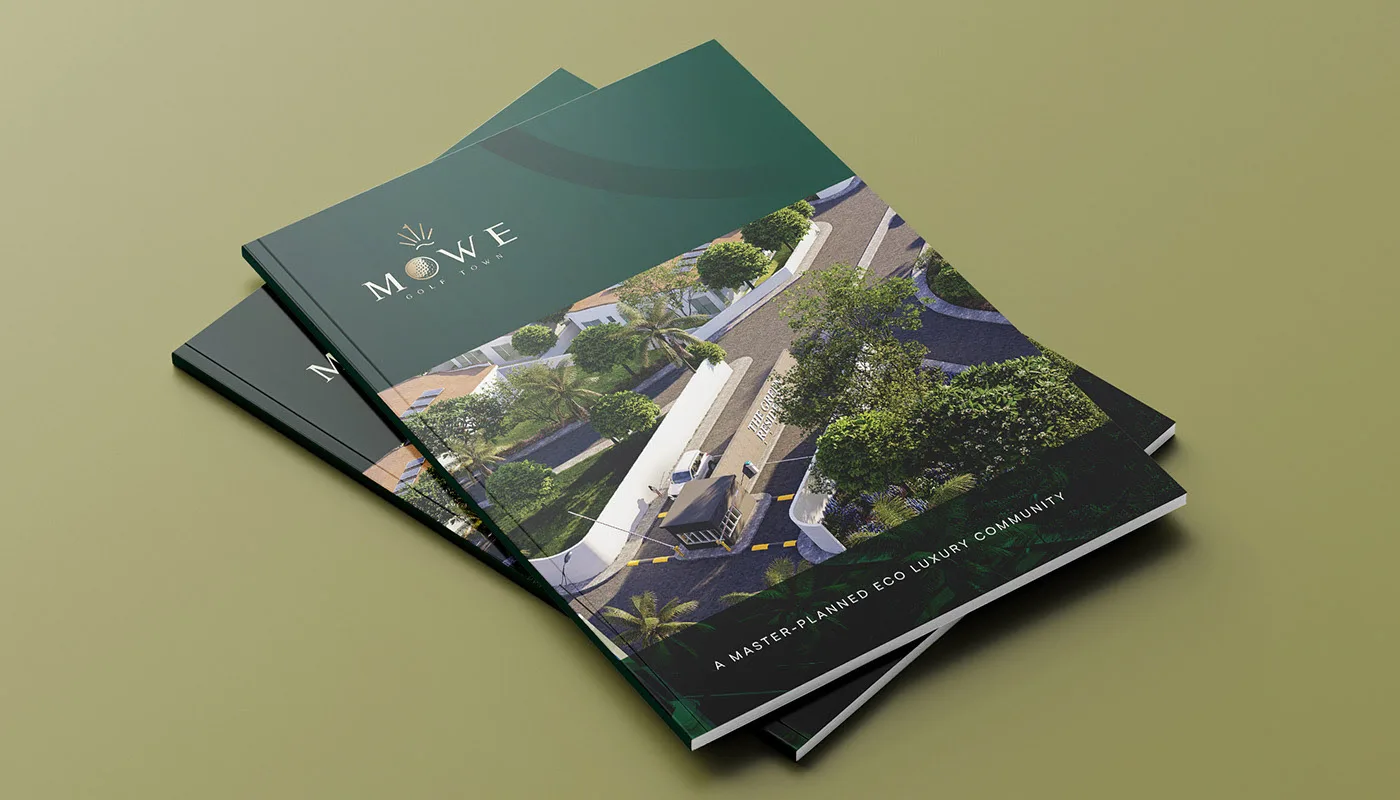
Before you pick a “company profile maker near me,” learn template risks, DIY limits, and when you need a custom layout for tenders and investor diligence.
App stores and search ads promise instant gratification: pick a skin, drop your logo, export a PDF. That path can work for a school project; it rarely survives a serious procurement review. When someone searches company profile maker near me, they usually want speed. Buyers and investors want evidence. The gap between those goals defines whether you ship a toy or a document that closes rooms.
Template-based profile risks you cannot design away
Templates compress time early and expand risk later. Identical grids appear across competitors. Typography defaults violate your real brand rules. Tables for certifications break when your text runs longer than the placeholder. Template-based profile risks also include licensing—you may not legally resell prints at scale if stock imagery terms forbid it. Read the fine print before you upload to a government portal.
DIY Canva profile limits in professional contexts
Canva and similar tools help teams prototype. The DIY Canva profile limits show up when you need precise CMYK exports, long-document masters, anchored cross-references, or consistent chart styling across twelve spreads. Tender desks notice when fonts shift subtly between sections because frames were duplicated manually. Investors notice when photography feels mismatched. DIY is fine for drafts; it is fragile for flagship assets.
When a custom company profile layout is worth the investment
A custom company profile layout encodes your story: modular spreads for sectors, reusable tables for KPIs, and a typographic system that survives annual updates. Custom work costs more upfront, but amortises across every deal team that stops rebuilding slides. It also gives you legal clarity—you own the system, not a rented template licence.
RFP-ready company profile: the bar templates rarely clear
An RFP-ready company profile carries consistent entity names, audited numbers with footnotes, and annexures that align with uploaded spreadsheets. Makers rarely include governance for version control or redlined legal edits. Studios that specialise in B2B documents build guardrails: locked styles, approved colour tokens, and export presets that pass portal validators.
How to combine speed and quality responsibly
Use DIY tools internally to argue about outline order. Hire professionals once the outline stabilises. Bring reference PDFs you admire and a list of failure modes from past bids. If budget is tight, shrink page count before you shrink expertise—ten excellent pages beat twenty mediocre ones.
When template makers are genuinely enough
If you only need a lightweight leave-behind for an informal meetup, a controlled template can suffice—especially when no portal validates layout rules. The trouble begins when the same file becomes your RFP-ready company profile without structural upgrades. Treat templates as sketches, not finals, once money or compliance enters the room.
Hybrid approaches: your writers, studio layout system
Some teams supply final copy while designers build masters, character styles, and table styles. This hybrid can reduce cost if your internal editor is strong. The risk is version drift—writers bypass styles and paste from Word with local formatting. Agree that all copy lands in one shared doc with styles applied before it hits layout. Studios charge less when they do not rescue formatting chaos nightly.
Photography and illustration choices makers get wrong
Stock suites repeat the same handshake photos evaluators have seen a hundred times. Custom photography of your floor, control room, or flagship product—even modest smartphone direction with professional retouching—often outperforms glossy irrelevance. Illustration can explain process flows templates cannot; budget small bespoke icons for recurring concepts like QA gates or deployment phases.
Legal and brand review on claims lifted from old decks
Teams paste bullet points from 2019 slides because they sound good. Legal may no longer endorse those claims. Build a claims register: each assertive sentence maps to an approver and a source document. Designers can tag risky sentences visually during review so nothing slips into print without eyes. This discipline matters doubly when you graduate from a quick company profile maker near me export to a governed corporate file.
Accessibility and legibility still matter for “fast” tools
Many template makers produce tiny grey text because it looked trendy on a template preview. Tenders and board packs are not Instagram. Minimum sizes, contrast, and left-aligned long copy still rule. If you must use a maker for a draft, run an accessibility pass before sharing externally—then commission a custom company profile layout when stakes rise.
Explaining value to finance without vanity metrics
Finance rarely cares about “prettier.” Translate company profile maker near me experiments into risk: lost tenders from upload failures, reprint costs from wrong CMYK exports, sales hours lost rebuilding slides. Compare that to the amortised cost of a professional document used for twelve months across dozens of meetings. Numbers do not need to be fake-precise—directionally correct framing often unlocks budget.
Procurement checklists your profile should anticipate
Many buyers attach standard vendor forms. Maintain a living annexure list: GST certificate, MSME registration if applicable, PAN, insurance, factory photos with safety gear, past order references. Designers can leave modular slots so you drop updated scans each quarter without reflowing entire RFP-ready company profile sections. Treat the checklist as part of the product, not an afterthought folder.
Sales enablement after the PDF ships
Run a thirty-minute internal session showing where proof lives in the new file, which pages answer top objections, and which numbers require CFO sign-off before reuse in WhatsApp forwards. Pair the PDF with a one-page internal cheat sheet listing version numbers. This reduces the odds that someone reverts to an old template-based profile risks file because they forgot where the canonical export lives.
Version naming that humans actually follow
Use semantic versions: CompanyProfile_2026_v3.1_LEGALcleared.pdf beats final_really_final.pdf. Tie numbers to approval milestones, not moods. If sales insists on emailing excerpts, give them pre-approved snippet PDFs rather than letting them crop screenshots that crop out footnotes. The goal is to make DIY Canva profile limits a historical footnote, not a recurring escape hatch because the canonical file felt “too formal” for quick sends.
Accessibility checklist before external release
Run automated checks where possible, then manual checks: reading order for screen readers, alt text on inline images, contrast on charts, and visible focus order if you export interactive elements. Tenders rarely cite WCAG explicitly, but accessibility reduces misreads under bad office lighting and helps when you later repurpose content for web PDF viewers. Treat accessibility as risk reduction, not only compliance theatre, especially after migrating from a company profile maker near me template with tiny grey type.
Brand audits before you blame the template
Sometimes the template is fine but your inputs contradict: two logos, three blues, conflicting product names. Run a quick internal brand audit before accusing the tool. List offenders, fix upstream, then decide whether you still need professional custom company profile layout help. Studios appreciate clients who arrive with contradictions already surfaced—it speeds the first real layout sprint.
FAQ
Can we start in a maker and migrate later?
Sometimes, but expect rebuild costs—masters rarely transfer cleanly.
Are templates illegal for government bids?
Not inherently, but misrepresentation or stock photo misuse can disqualify you.
What is the fastest professional path?
Fixed outlines, batched feedback, and realistic photography timelines.
Internal memo template after you leave the maker
When you graduate from DIY exports, send your team a memo: canonical filename, storage path, who may request edits, and which pages are frozen until the next board cycle. Link to the RFP-ready company profile roadmap your studio proposes. Attach a screenshot of the old template issues so nobody romanticises reverting “just for speed.” Marketing leaders should name a single editor who gates copy requests so designers hear one voice.
Include a reminder that print and digital profile formats may differ—sales should not attach print PDFs to email blasts. Small operational clarity prevents relapses into template-based profile risks culture.
Training junior designers who inherit the file
If interns or juniors will touch paragraph styles, schedule a supervised first edit with your agency on call. Document forbidden actions—do not convert text to outlines casually, do not embed new fonts without IT approval, do not crop partner logos. Create a sandbox duplicate for experiments. Many company profile maker near me habits (inline stretching, random colours) creep back unless training is explicit. Treat governance as part of marketing ops, not HR theatre.
Also log which export presets marketing may trigger themselves versus which require a designer—mis-exported CMYK profiles cause more print rejects than weak copy. A one-page “export cheat sheet” pinned next to the custom company profile layout source saves future panic.
The hidden costs of template-based profiles in competitive bids
The most visible cost of a template-based profile risks failure is a lost bid. The less visible costs compound before that moment. Sales teams who know the profile looks weak avoid sending it, instead rebuilding slides from scratch for each meeting—a hidden labour cost that never appears in the profile budget line. Marketing reprints older, better-looking versions of the profile because the template export broke something in a portal—a reprinting cost that stays invisible until someone reconciles office printing budgets.
In competitive tender environments, evaluators often score capability statements alongside technical bids. A profile that breaks pagination on the evaluator's screen, shows different fonts across sections because of platform rendering, or includes a stock photo that appears in a competitor's profile too, triggers subtle but real confidence reductions. Procurement professionals who review dozens of vendor submissions develop pattern recognition for effort—and DIY Canva profile limits show up in that context as clearly as a misspelled company name.
The upgrade investment becomes easier to justify when framed against total cost of ownership, not just one design fee. If a professional custom company profile layout reduces slide-rebuild hours across a ten-person sales team by one hour per week, that savings over twelve months likely exceeds the design fee several times over. Pair that estimate with one specific bid where a stronger profile would plausibly have improved your score, and the business case usually writes itself. Finance teams respond to avoided-cost calculations more reliably than they respond to brand quality arguments.
Planning your upgrade path from template to professional design
Most companies transition gradually rather than in one dramatic switch. A practical upgrade path respects your current budget constraints while protecting the next critical deadline. Phase one: commission a professional to clean up and systematise your current template rather than start from scratch. This renovation phase typically takes three to five days and produces a consistent typography system, proper table styles, and a colour palette that matches your brand book. The result is not a flagship profile, but it is defensible for informal use while you plan the full project.
Phase two: identify your next high-stakes filing—a major tender, an investor round, or a channel partner conference—and commission a proper RFP-ready company profile timed to land two weeks before that deadline. Use that project to build the master system: grid, type scale, photography art direction, chart standards, and a modular page library your team can extend. Brief the studio with your phase-one renovation as reference so they understand what already exists and what must be rebuilt versus adapted.
Phase three: establish a maintenance routine using the master system. Run quarterly minor sprints for metric and personnel updates. Set a two-year calendar reminder for a moderate refresh review. Track which pages prompt the most questions from evaluators—those are the spreads most worth investing in during the next refresh. The journey from a quick company profile maker near me export to a professionally governed document takes three to nine months depending on organisational complexity, but each step produces a more defensible asset than the previous one. Start the first phase as soon as you identify a performance gap—do not wait for perfect conditions that rarely arrive.
Contractual safeguards for stock imagery and font licensing
One of the most common post-handover surprises in profile design is a licensing dispute. Stock image subscriptions used by your studio may not cover client-facing distribution at your volume or in your intended use context. Font licences that permit web embedding may prohibit print redistribution. Partner logos borrowed from a website may violate the brand owner's usage terms. None of these issues appear on the surface of a beautiful custom company profile layout—they surface when your legal team audits vendor contracts or when a stock image agency sends a takedown notice after seeing your profile in a trade press feature.
Before you approve any RFP-ready company profile for external distribution, request a written asset declaration from your studio: list of stock images with licence type and seat count, list of commercial fonts with licence documents, source and permission status of any partner logos used. This is standard practice for any print project that will appear in a public submission or commercial context. Studios that work with regulated clients maintain these records habitually; those that do not may not have considered the risk. The cost of building this habit into your project brief is zero. The cost of discovering a licence problem after a thousand-copy print run is not.
Move from maker to meaningful
If you tried a quick company profile maker near me tool and now need credibility, we rebuild structure and visuals properly. Learn how we approach production on company profile design.
Commission company profile design services when you are ready for a custom company profile layout that holds up to scrutiny—and skim our blog for more process notes.
Bring your maker exports, however rough—we use them as conversation starters, not finals, and we preserve truths you already validated while rebuilding hierarchy. Book a structured upgrade via our company profile design services page when you are ready to leave templates behind.
Related: company profile maker vs custom · company profile templates · company profile design agency (not a free online maker).